









 Back
Back
The IDDSI framework and texture-modified diets in healthcare foodservice
REQUEST A DEMONSTRATION
- Why does IDDSI standardization support healthcare foodservice operations ?
- Manage the operational challenges of delivering safe, smooth and homogeneous texture-modified foods
- Focus on hot mixing and food safety
- The Blixer® range : the reference for IDDSI levels 6 to 4
- The Robot-Coupe commitment to safe nutrition
In healthcare environments, meal preparation extends beyond nutritional requirements. Swallowing safety remains a critical priority for patients with dysphagia.
The International Dysphagia Diet Standardisation Initiative (IDDSI) provides a common terminology to describe food textures and drink thickness. Robot-Coupe helps professional kitchens prepare consistent, reproducible texture-modified foods.
Key takeaways
- IDDSI defines 8 texture levels, from 0 to 7, to support safer swallowing
- Each IDDSI level is defined by clear criteria and can be checked with simple tests, such as the fork and spoon tests
- Robot-Coupe is an IDDSI Gold Sponsor
- The Blixer® facilitates the preparation of textures at levels 6 to 4, without systematically adding liquid
- Short processing times reduce food handling time
- A Blixer® can produce up to 20 portions of 7 oz (200 g) per cycle
Why does IDDSI standardization support healthcare foodservice operations ?
Dysphagia affects a significant number of residents in nursing homes and long-term care facilities, as well as hospital patients. These swallowing disorders cause serious complications such as aspiration or malnutrition. Aspiration occurs when food or liquid enters the airway instead of the esophagus, which creates a high risk of respiratory infections or pneumonia. The adaptation of food texture constitutes a core part of care to compensate for chewing difficulties.
Key fact
Texture and portion size must match each patient’s ability to chew, which supports nutritional intake and overall health in dysphagia care.
According to IDDSI, approximately one in seventeen people will encounter swallowing difficulties during their lifetime.
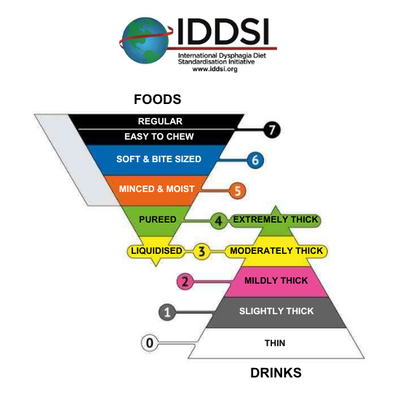 The IDDSI framework addresses the need for standardization. It offers a classification system from 0 to 7, shared by doctors, speech-language pathologists (SLPs) and foodservice staff. This common language supports patient safety at service and maintains continuity of care between the medical diagnosis and the patient’s plate.
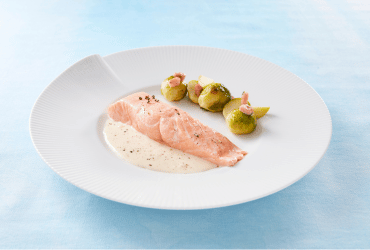
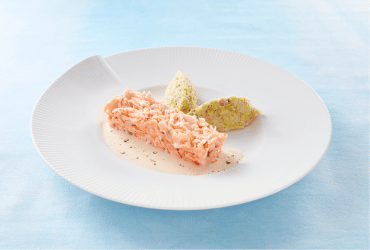
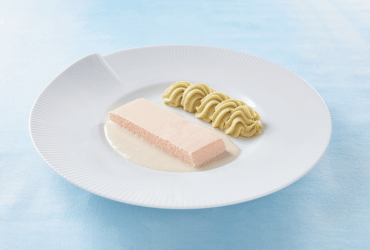
Manage the operational challenges of delivering safe, smooth and homogeneous texture-modified foods
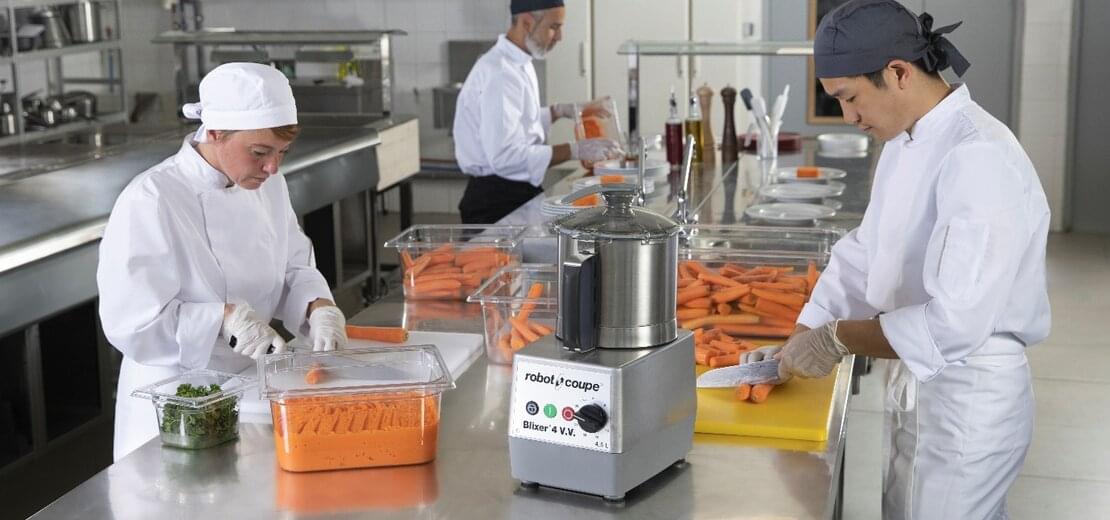
High-volume production in a professional foodservice operation requires extreme rigor. Texture must remain homogeneous, stable, and reproducible at every service.
The difficulty lies in the consistency of these textures. A purée that is too dense or too liquid can alter swallowing conditions and compromise patient safety.
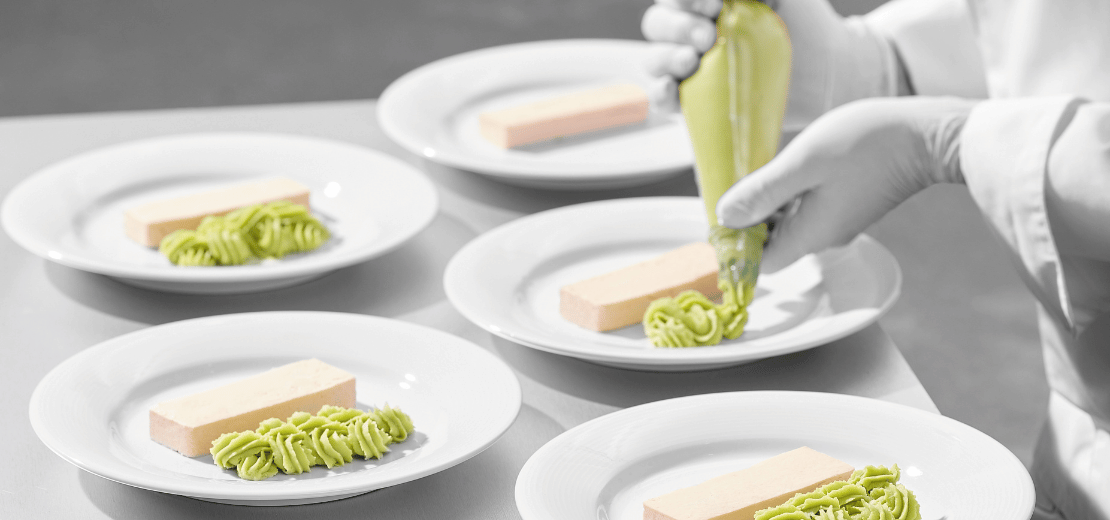
In daily practice, the processing speed of Robot-Coupe equipment limits food handling time and supports a controlled preparation workflow within the facility’s hygiene and food safety procedures.
Operational requirements in healthcare foodservice :
- Maintenance of nutritional density and original flavors
- Consistent texture from batch to batch to reduce aspiration risk
- Efficient handling of high volumes within tight service windows
- Strict compliance with hygiene protocols and HACCP documentation
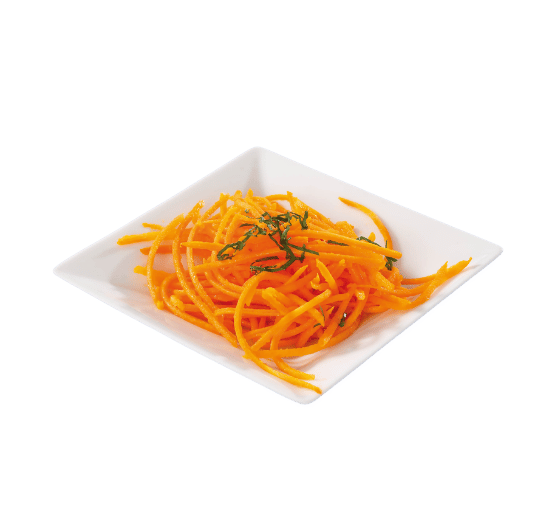
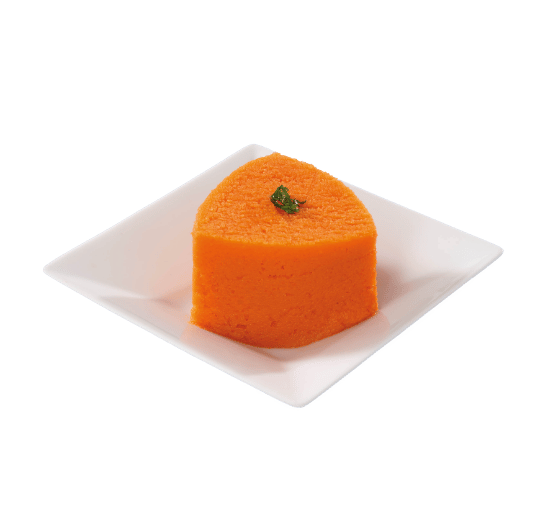
Focus on hot mixing and food safety
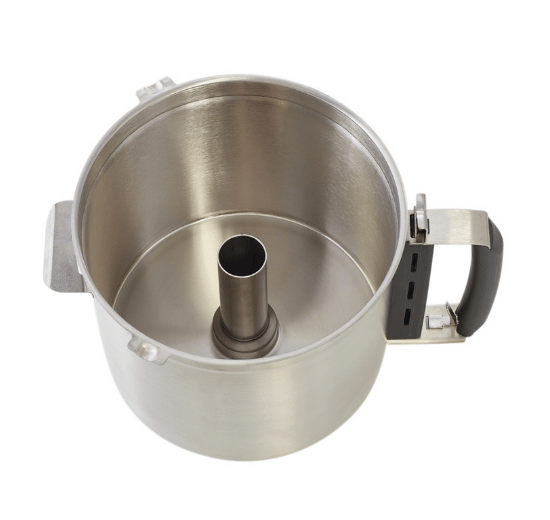
The stainless steel bowl allows staff to process food immediately after cooking, to serve tender, appetizing dishes. The durable material allows thorough cleaning.
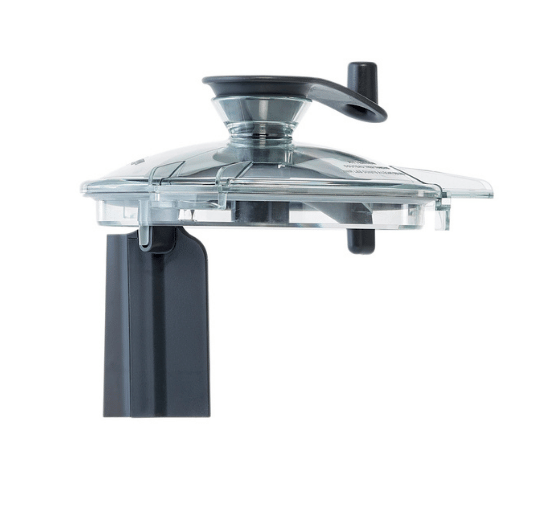
To simplify the workflow for dietary teams, all parts in contact with food (stainless steel bowl, blade and Blixer® arm) are fully removable. They can be washed in a commercial dishwasher, making it easier to follow hygiene protocols.
The Blixer® range : the reference for IDDSI levels 6 to 4
Equipment must match the prescribed texture level.
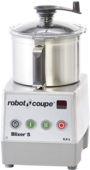
The Blixer® combines the performance of a cutter and a blender. This machine chops, emulsifies, and transforms raw or cooked products into perfectly smooth, controlled textures.
This method, which requires no added liquid, preserves vitamin concentration and natural aromas. It meets the specific expectations of chefs for smooth or mixed textures adapted to patient chewing ability.
Technical characteristics of the Blixer® :
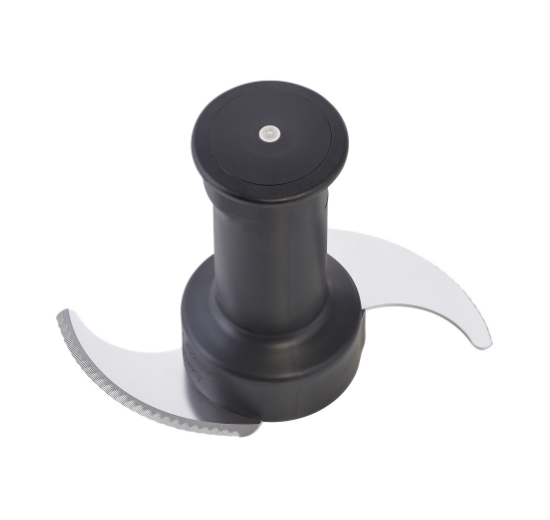 |
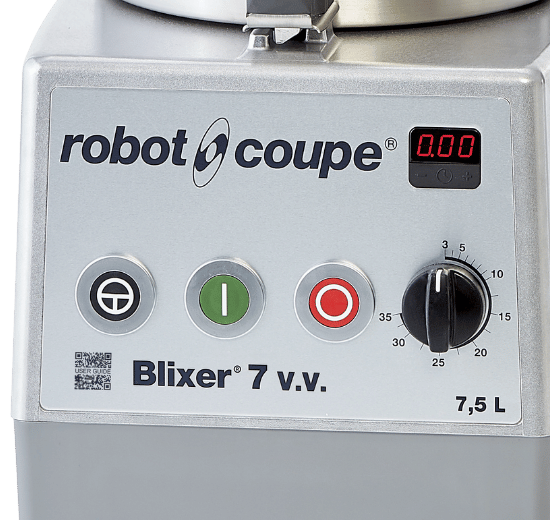 |
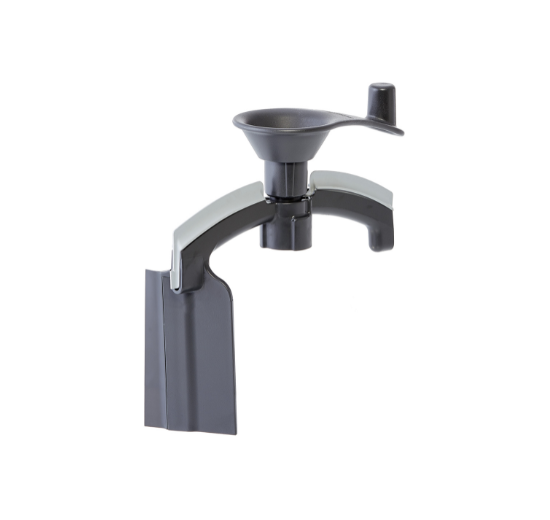 |
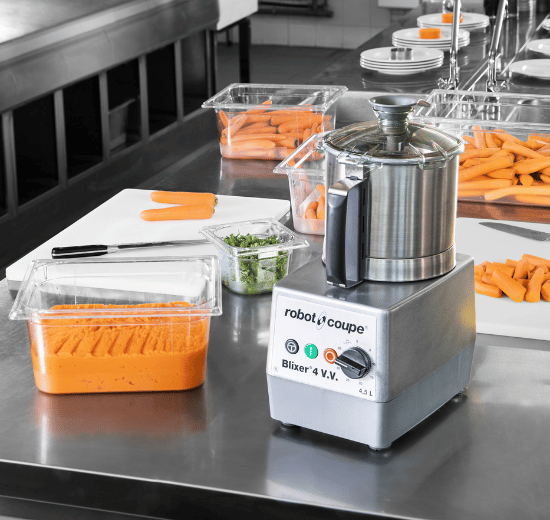 |
|---|---|---|---|
| High-tech blade | High speed | Blixer® arm | Productivity |
|
|
|
|
|
Which model to choose for a long-term care facility with 50 residents ?
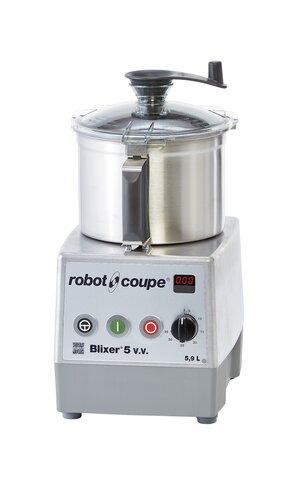
For this volume, daily use of the Blixer® 4 or 5 supports regular production. Depending on the preparations and textures required, these models can process around fifteen to twenty portions of 7 oz (200 g) per cycle.
REQUEST A DEMONSTRATION
The Robot-Coupe commitment to safe nutrition
As an IDDSI Gold Sponsor, Robot-Coupe demonstrates its commitment to supporting initiatives that aim to standardize food textures and make eating safer for patients with dysphagia worldwide. Through this partnership, Robot-Coupe helps promote safer, more consistent practices in hospitals, long-term care facilities and foodservice operations.
With professional solutions such as the Blixer®, purpose-built for producing smooth and homogeneous texture-modified foods, Robot-Coupe empowers healthcare and foodservice professionals to prepare meals that comply with IDDSI guidelines while maintaining nutritional quality and mealtime enjoyment.
Explore the Blixer® range or contact Robot-Coupe to discuss your texture-modified food preparation needs.
Applying the IDDSI framework in daily foodservice operations
The IDDSI framework provides a common terminology and testing methods to determine food textures and drink thickness. It supports communication between clinical and dietary teams and the assessment of preparations under the intended serving conditions. Regular checks remain essential to determine the final IDDSI level.